SBA disaster loans open after the Old Town Newhall fire: what Santa Clarita business owners need to know
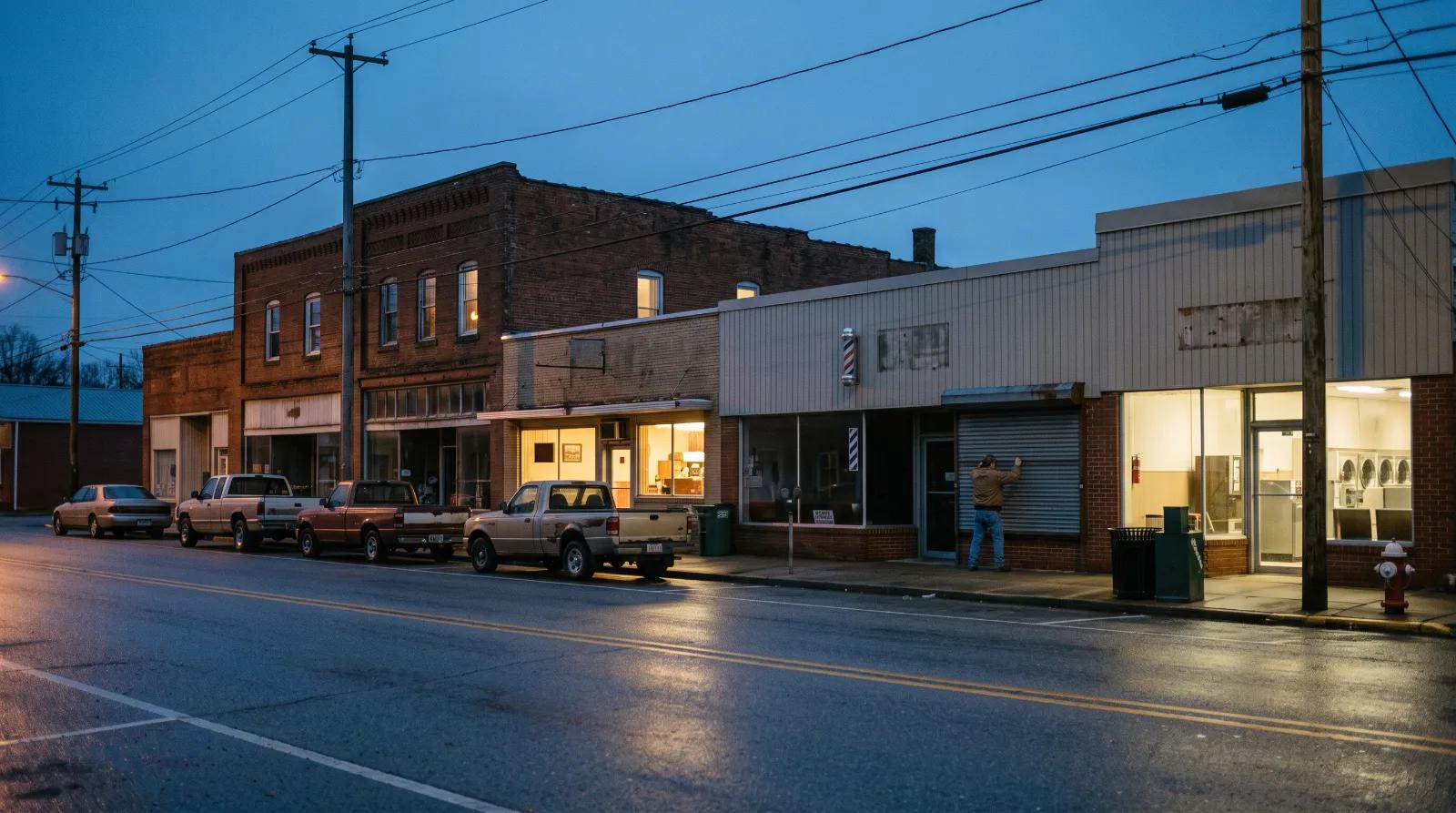
- The SBA announced a disaster declaration on November 18 for the August 24 fire in Old Town Newhall, opening Economic Injury Disaster Loans.
- Businesses do not need physical damage to qualify; the loans cover working capital such as payroll, rent, utilities and other bills.
- The SBA says loans go up to $2 million at rates as low as 4% for businesses, with terms up to 30 years and nothing due for 12 months.
- In-person help runs at the Old Town Newhall Library, 24500 Main St., until December 9. The application deadline is August 16, 2027.
Small businesses that lost income after the August 24 fire on Main Street in Old Town Newhall can now apply for low-interest SBA working-capital loans, even if their own building was not damaged. The U.S. Small Business Administration announced the disaster declaration on November 18, and SBA staff are helping owners in person at the Old Town Newhall Library until December 9.
What happened?
In the early hours of August 24, a fire that started at an auto body shop in the 24200 block of Main Street spread through a row of older commercial buildings in Santa Clarita's historic downtown. The Newhall Refinery restaurant, The Main theater and a women's clothing boutique were among the businesses lost. A Los Angeles County Fire spokesman told NBC Los Angeles the blaze "pretty much consumed the whole commercial building."
The City of Santa Clarita says it worked with Los Angeles County and the California Governor's Office of Emergency Services to document the economic damage and support the request for federal help. The SBA approved it nearly three months after the fire.
What loans are available?
This declaration opens one kind of loan: the Economic Injury Disaster Loan (EIDL). It is working capital for businesses that lost income because of the disaster. According to the SBA:
- Small businesses, small agricultural cooperatives and private nonprofits can apply. Farmers and ranchers are not eligible, except aquaculture businesses.
- You do not need physical damage to qualify. A shop next to the burn site that lost foot traffic can apply.
- The money can pay fixed debts, payroll, accounts payable and other bills the business would have paid if the fire had not happened. The city specifically mentions rent and utilities.
- The SBA lists Los Angeles, Kern, Orange, San Bernardino and Ventura counties in the declaration.
How much do they cost?
The SBA says loans go up to $2 million, with interest rates as low as 4% for businesses and 3.625% for nonprofits, and terms of up to 30 years. No interest builds up and no payment is due until 12 months after the first disbursement.
Those are the best-case terms, not a promise. The SBA sets each loan's amount and terms based on the applicant's financial condition, and approval is not automatic.
Where and when can you apply?
- In person: the SBA's Business Recovery Center at the Old Town Newhall Library, 24500 Main St., Santa Clarita. It is open Monday to Friday, 10 a.m. to 6 p.m., closed on Thanksgiving (November 26), and closes for good on Wednesday, December 9, at 6 p.m. Walk-ins are welcome, or you can book a time at appointment.sba.gov.
- Online: at sba.gov/disaster, or by calling the SBA at (866) SBA-HELP.
- Deadline: economic injury applications are due August 16, 2027.
Who feels it first?
The owners who lost their businesses outright face the longest road. But a fire like this also reaches the businesses that are still standing. Neighbors on Main Street can lose the restaurant and theater crowds that brought people downtown, and fencing around a burn site can keep shoppers away for months. Suppliers and contractors who served the lost businesses lose regular customers too.
That kind of slow, hard-to-see loss is what the EIDL program is built for.
What does it mean for your cash flow?
An SBA disaster loan is some of the cheapest money a small business is likely to be offered: a low fixed rate, a long term and a full year before the first payment. That is a very different deal from short-term financing that takes a slice of sales every day.
The trade-off is paperwork and waiting. You will need to show your finances and how the fire cut into your sales. Our guide on how to prepare your application covers the records most lenders ask for.
What owners can do now
- Go to the library before December 9. Having SBA staff walk you through the application in person is the easiest way to avoid mistakes that slow things down.
- Document the drop in sales. Pull weekly or monthly sales from before August 24 and compare them with the weeks since, along with the same months last year. Bank statements and point-of-sale reports both help.
- Gather the basics. Recent tax returns, a current list of debts and your monthly fixed costs (rent, utilities, payroll) are the core of most applications.
- Check your insurance. If you have business interruption coverage, file or follow up on the claim and keep the paperwork for your SBA file.
- Talk to your landlord, suppliers and bank. Ask about deferred rent, longer payment terms or a short pause on loan payments while you wait. A bank line of credit can also cover a gap at a much lower cost than most fast funding.
- Be careful with fast money. A merchant cash advance can bridge a short gap, but it is expensive short-term money, and daily payments are hard to meet when sales are already down. Compare it with the SBA loan and a bank line first; our guide to a business line of credit vs. a merchant cash advance and our MCA vs. loan calculator can help.
Sources
- SBA Offers Relief to California Small Businesses, Private Nonprofits Affected by the Old Town Newhall Fire · U.S. Small Business Administration
- Federal Disaster Loans Now Available for Businesses Impacted by Old Town Newhall Fire · City of Santa Clarita
- SBA issues disaster declaration, offers loans to Newhall businesses impacted by fire · The Signal (Santa Clarita Valley)
- Newhall auto body shop fire spreads to restaurant, theater and other businesses · NBC Los Angeles
- 'It gives me hope to want to rebuild' · The Signal (Santa Clarita Valley)
Related guides
How to prepare your application for the best offersBusiness line of credit vs. merchant cash advanceThis brief summarizes public reporting and is general information, not financial or legal advice. Daybook Capital is a broker, not a lender or funder; each funding partner sets its own criteria, pricing and terms.