Minimum wage rises in 16 states on Jan. 1, 2027: what it means for small business payroll
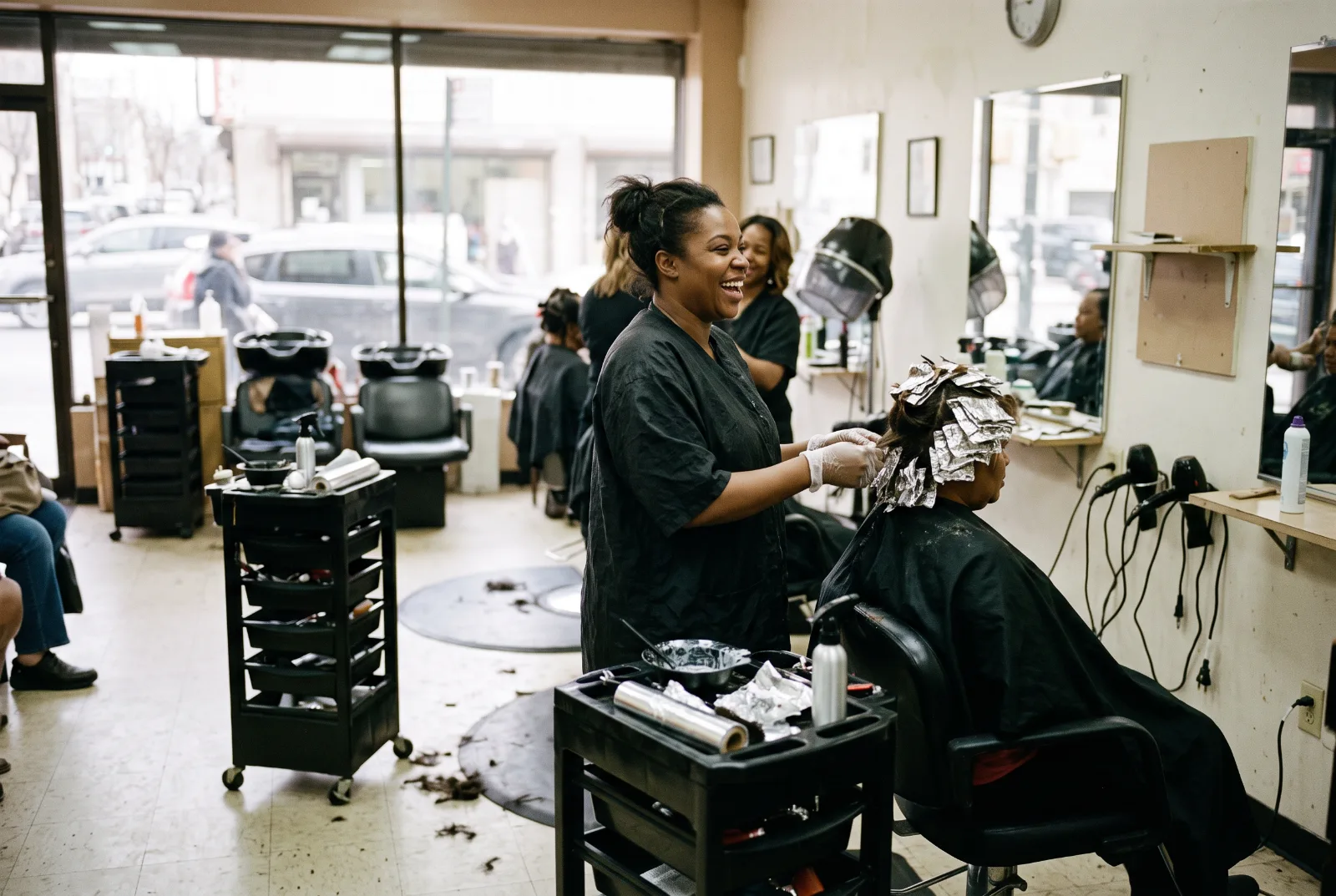
- Sixteen states raise their minimum wage on January 1, 2027, with new floors from $11.20 in Montana to $17.73 in Washington.
- Michigan ($13.73 to $15.00), Rhode Island ($16 to $17) and Virginia ($12.77 to $13.75) have the biggest jumps; most other states rise by well under a dollar.
- New York's general rate does not change on January 1, Alaska's increase waits until July 1, and the federal minimum stays at $7.25.
- Budget January to March payroll at the new rates, including payroll taxes, pay compression and any higher city or county minimums.
- For a short payroll gap, compare a bank line of credit or SBA-backed loan before an expensive cash advance.
Workers in 16 states get a minimum wage increase on January 1, 2027, with new statewide floors ranging from $11.20 an hour in Montana to $17.73 in Washington. For restaurants, shops, salons and other small employers with hourly staff, that means a higher payroll bill starting with the first pay period of the new year, about six weeks from now.
What happened?
Most of the January increases are automatic. Many states now tie their minimum wage to inflation, so the new rate is set by formula each year, while a few states are stepping up under laws passed earlier. Payroll adviser CBIZ, in an employer guide published November 20, put it plainly: "Most other states will raise minimum wage by about $0.25 to $0.60 per hour."
The biggest jumps are in three states:
- Michigan: $13.73 to $15.00, up $1.27 an hour
- Rhode Island: $16.00 to $17.00, up $1.00
- Virginia: $12.77 to $13.75, up 98 cents
Some of the other new January rates:
- Washington: $17.13 to $17.73, the highest statewide rate among the 16 states. The state's Department of Labor & Industries sets it each year from a federal consumer price index.
- Connecticut: $16.94 to $17.48
- California: $16.90 to $17.40, an inflation adjustment certified by the state
- New Jersey: $15.92 to $16.48
Arizona, Colorado, Maine, Minnesota, Montana, Nebraska, Ohio, South Dakota and Vermont also rise on January 1, mostly by well under a dollar.
Which states are not changing?
New York's general minimum wage stays put on January 1: $17 an hour in New York City, Long Island and Westchester County, and $16 in the rest of the state, because of an exception in its inflation formula. Gov. Kathy Hochul has proposed an increase for March 1, 2027, which would need the legislature's approval. Alaska's increase, from $14 to $15, comes later, on July 1, 2027.
The federal minimum wage stays at $7.25, so employers in states that rely on the federal floor see no required change.
One catch: many cities and counties set their own, higher minimums. Washington lists several cities with higher rates, Seattle among them, and California requires employers to follow a local rate when it is higher than the state's. If you operate in more than one place, you owe each worker the highest rate that applies where they work.
What does it mean for your cash flow?
The raise itself is only part of the bill. Employer payroll taxes and other costs that are figured on wages rise with it.
Here is a simple example, not a forecast. A Michigan cafe with 10 minimum-wage employees working 30 hours a week would add about $381 a week to gross pay from the $1.27 increase, or close to $20,000 over a year, before payroll taxes.
There is also pay compression. If your new hires now earn close to what experienced staff make, those team members may expect raises too. CBIZ's guide flags this, along with checking tipped employees, since a higher minimum wage can change how much tip credit an employer may take.
The timing is awkward. January is a slow month for many restaurants, retailers and salons after the holiday rush, and it is also when annual insurance renewals, quarterly taxes and post-holiday bills often land.
How are owners likely to respond?
Common levers are modest price increases, tighter scheduling, and spreading the cost across menus or service prices gradually rather than all at once. The key is deciding before January 1, so the first higher payroll does not come as a surprise.
What owners can do now
- Confirm your exact rate. Check your state labor department and any city or county rules for every location. The lists in news reports are not exhaustive.
- Re-run January to March payroll. Use the new rates, include payroll taxes, and compare that to your slowest-month revenue, not your December sales.
- Update payroll settings and required postings. California, for example, requires employers to post the current wage orders and show wage rates on pay stubs.
- Review prices now. A small, early increase is usually easier on customers than a large one later.
- Line up cheaper backup money first. If you expect a short gap, a business line of credit or an SBA-backed loan usually costs far less than a merchant cash advance. A cash advance is expensive short-term money. If you do look at one, convert the offer to an APR with our factor rate to APR calculator and check the payment against your slow-season deposits with the payment affordability calculator.
Sources
- Minimum Wage Will Increase In 16 States On January 1, 2027 · Allwork.Space
- 2027 Minimum Wage Updates: What Employers Need to Know · CBIZ
- Millions of US Workers Set for 2027 Pay Hike as 16 States Lift Minimum Wages, but Others Stay at $7.25 · International Business Times UK
- Washington's minimum wage rises to $17.73 an hour in 2027 · Washington State Department of Labor & Industries
- California's minimum wage to increase to $17.40 per hour on January 1, 2027 · California Department of Industrial Relations
Related guides
Business line of credit vs. merchant cash advanceFactor rates explained: how to read an MCA offerThis brief summarizes public reporting and is general information, not financial or legal advice. Daybook Capital is a broker, not a lender or funder; each funding partner sets its own criteria, pricing and terms.